Private health insurance for self-employed households the ACA Marketplace priced out
If you don't qualify for ACA subsidies anymore, don't take many medications, and don't carry major pre-existing conditions, you likely have private coverage options priced well below full-cost Marketplace premiums.
No obligation. Licensed advisors, not a call center.
58%
average premium payment increase for 2026
~4x
a federal poverty line multiple where subsidies shrink
$875–$3,450
typical unsubsidized monthly Silver premium (with and without deductible included)
4.8M
projected to lose ACA coverage in 2026
Meet Your Advisor
Christopher A Olivier, Founder of Care Collective Advisors
Licensed in 30 states, Christopher built Care Collective Advisors specifically for people the ACA Marketplace stopped pricing fairly: healthy self-employed workers and small business owners who cleared the subsidy cliff. He spends every call doing the same thing — running your real numbers against every option, ACA and private, before making a recommendation.
✓Licensed in 30 states, appointed with multiple carriers
✓Answers his own phone — no call-center handoffs
✓Shows the ACA option even when it means less commission
Enhanced ACA subsidies expired at the end of 2025. The old "subsidy cliff" is back — and it hits self-employed people and small business owners hardest.
A Federal Income Threshold
Cross a certain household income range, and premium tax credits can shrink sharply or disappear — the exact number depends on your household size and state.
$875–$3,450/mo
Typical full-price benchmark Silver premium in 2026 for a self-employed household above the subsidy cliff (with and without deductible included).
4.8 million
Americans the Urban Institute projects will lose ACA coverage in 2026 as enhanced subsidies lapse.
Answer a few quick questions and we'll point you toward the plan category that fits your situation — no health-share programs, ever.
Question 1 of 3
How do you currently earn income?
Subsidy Check
See what the 2027 rules actually give you
Pick your state, enter your household, and see where you land against the subsidy cliff. Built on the published percentage table, not a rule of thumb. The math updates instantly — nothing is stored, no email needed.
Your household
Use the income you expect to report for 2027, not last year’s. Subsidies are settled against what you actually earn.
Florida’s published 2026 benchmark was $683 a month for a 40-year-old. Insurers there have proposed 15.9% for 2027, which projects to about $792.
Modified adjusted gross income for everyone on your tax return.
Including anyone you claim as a dependent.
Monthly, for your whole household. Entering the real figure from your county replaces the estimate and makes the credit below exact.
What the 2027 rules give you
Pre-filled with an example household so you can see how it works — change any number to make it yours. Updates instantly, nothing is stored.
400% of the federal poverty levelcliff at $86,560
You are $0 from the cliff. Earning past it costs you the entire credit below.
Estimated monthly credit
$1,581/mo
Leaving roughly $737 per month for the benchmark silver plan in Florida.
An educational estimate, not a quote, an offer of coverage, or tax advice. Poverty percentage and contribution come from the 2026 HHS poverty guidelines and IRS Rev. Proc. 2026-26; the benchmark is projected from KFF’s 2026 state figure and filed — not approved — 2027 rate increases. Open the full calculator →
Premiums by State
What an ACA plan costs, state by state
The benchmark premium is the number every subsidy is calculated against. Nationally it reached $625 a month in 2026, a 26% jump in one year, and the spread between states is larger than most people imagine.
Published average monthly benchmark premium for a 40-year-old, before any tax credit. This is the plan every subsidy is calculated against.
Lower
HigherHover or tap a state for its full numbers.
Pick a state
Hover or tap any state. The spread is larger than most people expect: New Hampshire sits at $401 a month while Vermont sits at $1,299, for the same 40-year-old buying the same category of plan.
Private plans are medically underwritten and are not ACA-qualified health plans; they typically exclude pre-existing conditions, maternity, and some chronic-condition management.
By State
What a single-person Marketplace plan costs where you live
Unsubsidized benchmark Silver premium for a 40-year-old, 2026 — before any tax credit. Your private-plan estimate assumes good health and no major prescriptions.
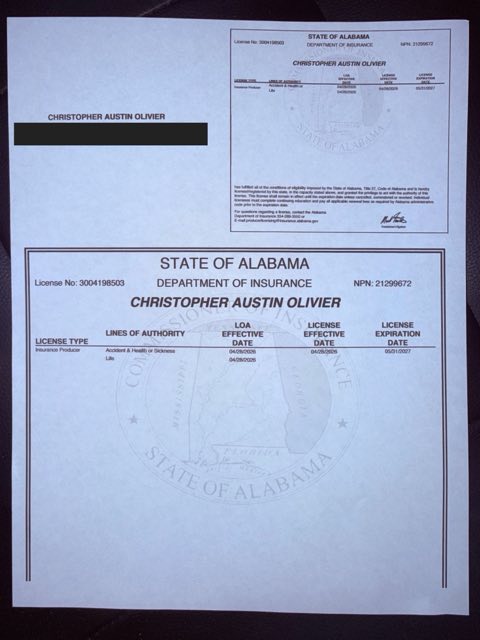
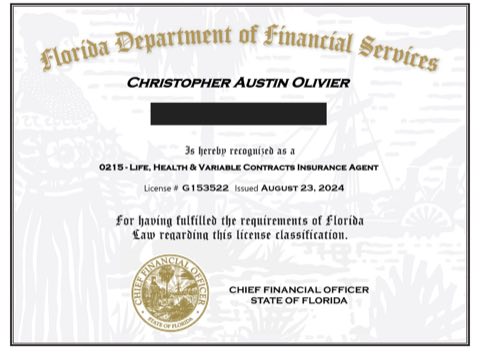
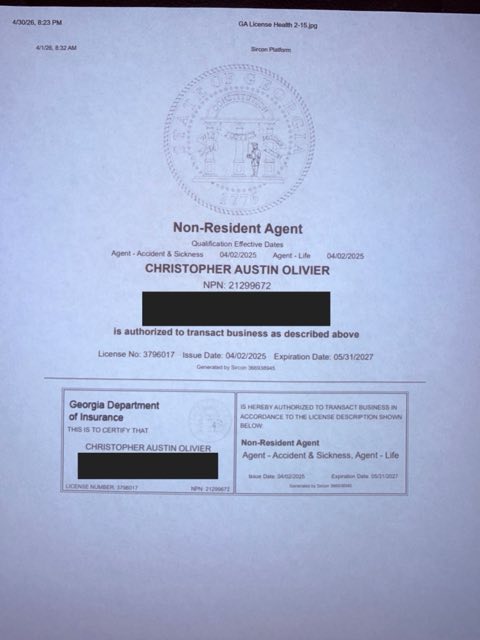
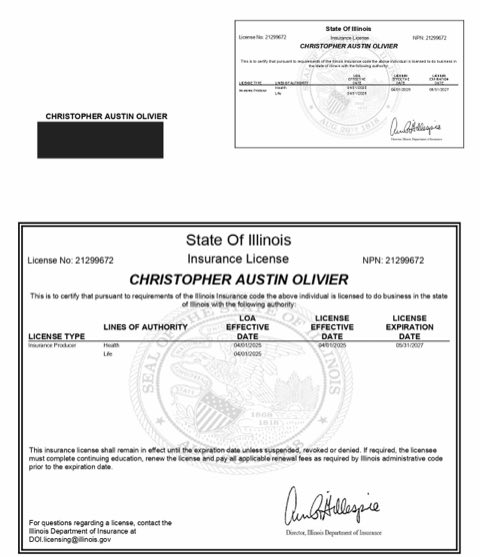
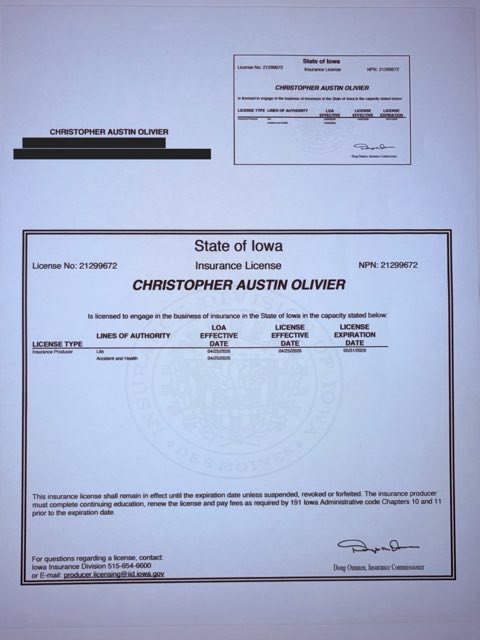
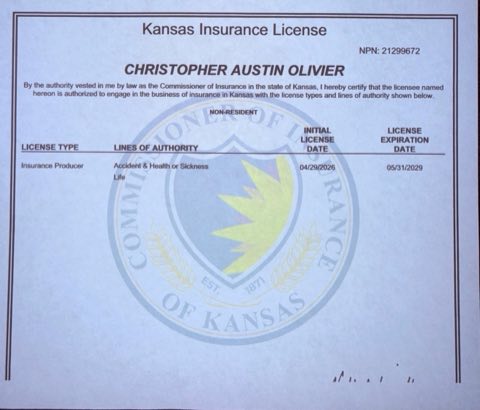
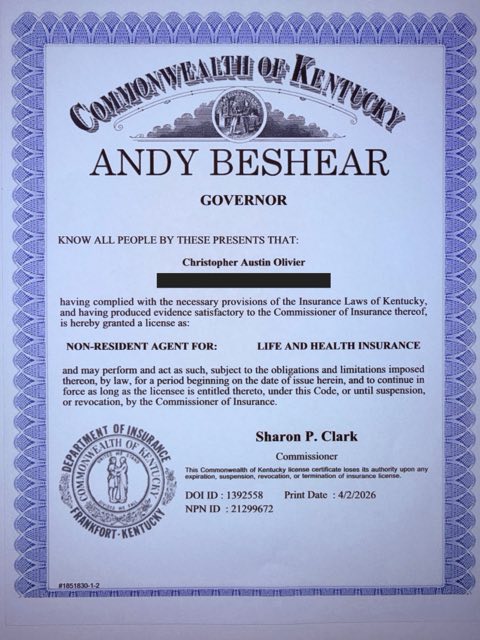
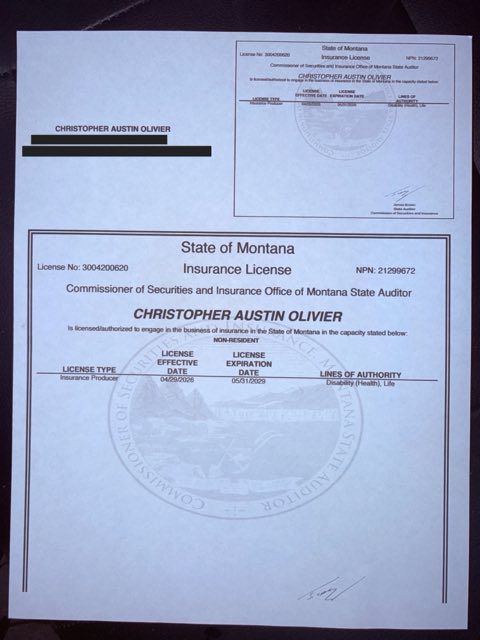
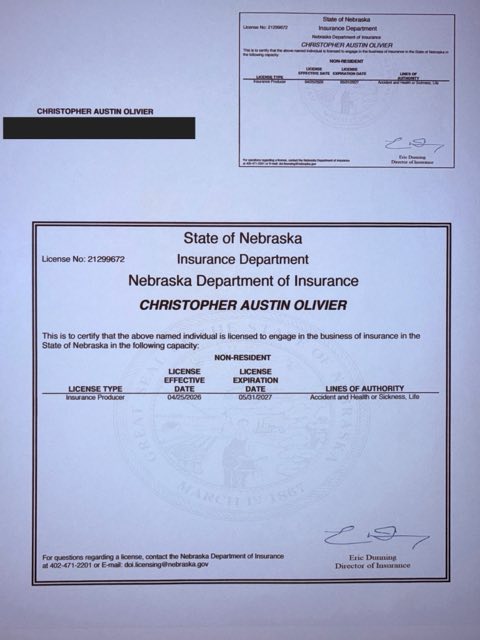
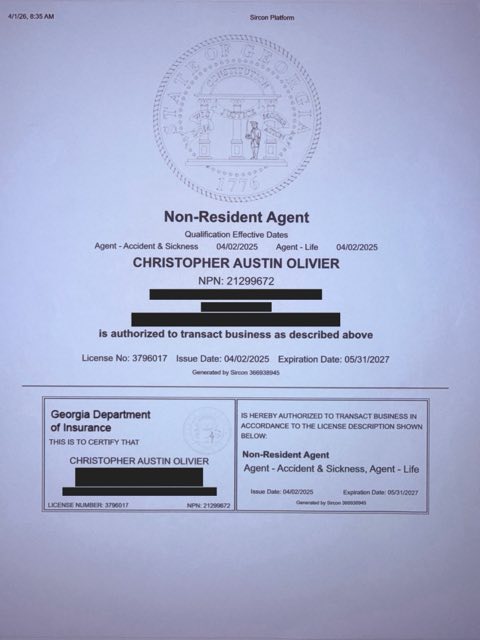
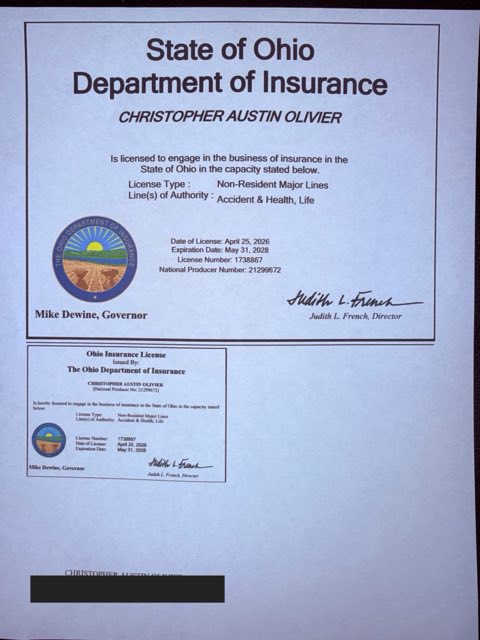
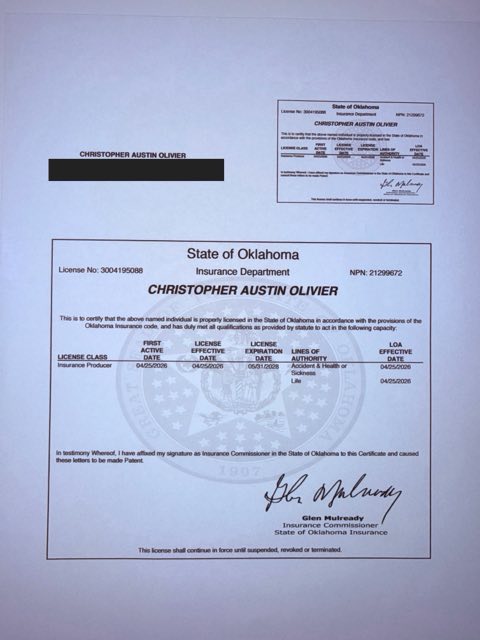
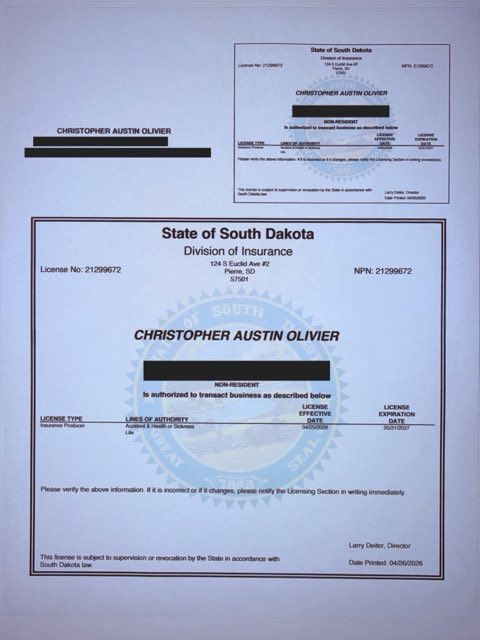
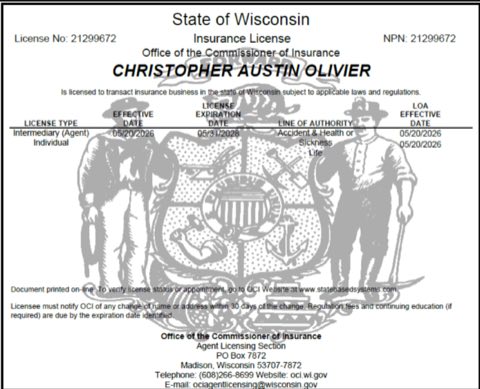
Every certificate below is the real state-issued document. Select any one to see it full size. The only alteration is a black bar over personal information — the name, license number, and seal are untouched so each document can be checked against the issuing department.
Alabama
3004198503
Arkansas
NPN 21299672
Colorado
945076
Florida
G153522
Georgia
3796017
Illinois
NPN 21299672
Indiana
4215868
Iowa
NPN 21299672
Kansas
NPN 21299672
Kentucky
1392558
Louisiana
1278897
Maryland
3004195077
Michigan
1401393
Missouri
3004201636
Montana
3004200620
Nebraska
NPN 21299672
Nevada
4216086
North Carolina
NPN 21299672
Ohio
1738867
Oklahoma
3004195088
South Carolina
NPN 21299672
South Dakota
NPN 21299672
Tennessee
3004195092
Texas
3315935
Utah
1116881
Virginia
1582778
West Virginia
NPN 21299672
Wisconsin
NPN 21299672
Wyoming
667865
Click any certificate to view it full size.
Common Questions
Before you talk to an advisor
Will a private plan cover my pre-existing condition?
Usually not. Medically underwritten plans are built for healthy applicants; if you have significant ongoing conditions, a subsidized ACA plan is almost always the better and cheaper option.
Am I giving up ACA protections?
Private plans aren't required to follow all ACA rules. We'll walk through exactly what's included and excluded before you enroll in anything.
How is pricing determined?
Private plans price primarily on your age and health, not just income — which is why healthy applicants often pay far less than the Marketplace's full-price rate.
What if my income changes and I fall back under the cliff?
We monitor open enrollment windows with you and can help you move back to a subsidized ACA plan if your situation changes.